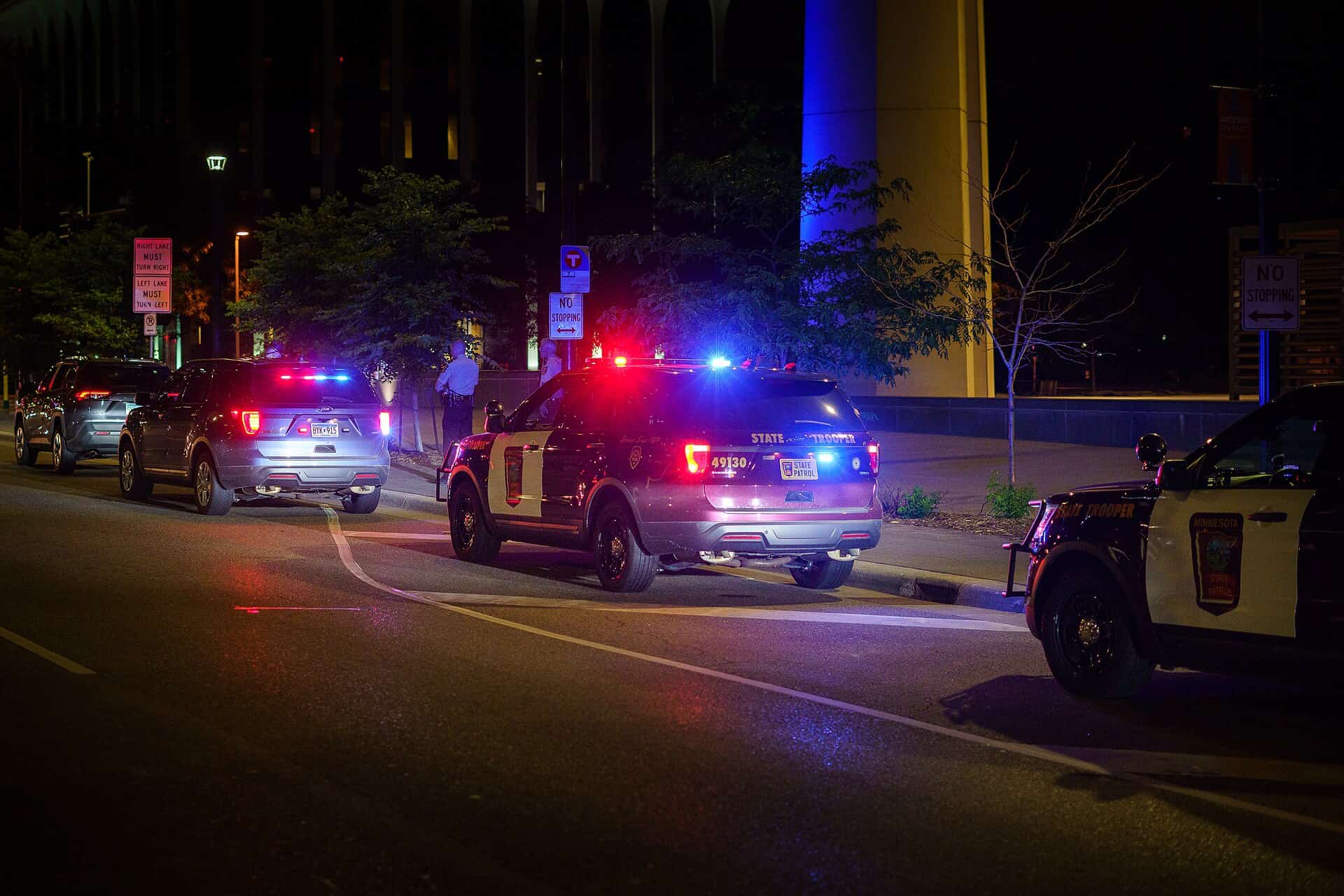
DUII defense for Oregon drivers.
DUII charges in Oregon carry a minimum jail sentence, even for first-time convictions, and serious financial penalties. They trigger two cases at once: the criminal case in court and the DMV case against your license. We handle both.
An Oregon DUII arrest under ORS 813.010 starts a 10-day clock to request a DMV implied-consent hearing or the license suspension takes effect automatically. First-time offenders without a prior DUII or diversion in the last 15 years may qualify for diversion under ORS 813.215, which can lead to dismissal after a year of compliance. The criminal case and the DMV case run in parallel and require separate defense strategies.
What we evaluate
The legality of the stop, the conduct of field sobriety tests, the breath or blood test procedure, and any implied-consent violations are all in play.
Oregon's DUII statute, ORS 813.010, makes it a Class A misdemeanor to drive with a blood alcohol concentration of 0.08% or more (0.04% for commercial drivers, any measurable amount for drivers under 21) or while impaired by alcohol, controlled substances, inhalants, or any combination of them. A third DUII within 10 years can be charged as a felony.
After arrest, the implied-consent procedures in ORS 813.410 trigger a 10-day window to request a DMV administrative hearing. That hearing is separate from the criminal case in court, and missing it generally locks in the license suspension.
DUII questions
What is the legal BAC limit in Oregon?
Under ORS 813.010, the per se limit is 0.08% blood alcohol concentration for most drivers, 0.04% for commercial drivers, and any measurable amount for drivers under 21. A driver can also be convicted at a lower BAC if the State proves impairment by alcohol, controlled substances, inhalants, or a combination.
Am I eligible for DUII diversion?
DUII diversion under ORS 813.215 is generally available when you have no prior DUII conviction or diversion within the last 15 years, no other current DUII charge, your arrest did not involve a commercial driver's license, and the incident did not cause death or serious physical injury to another person. Successful completion typically results in dismissal of the charge.
What is the 10-day rule after an Oregon DUII arrest?
Under Oregon's implied-consent procedures in ORS 813.410, you have 10 days from the date of arrest (or service of the notice) to request a DMV administrative hearing on the proposed suspension of your driver's license. Miss that deadline and the suspension generally goes into effect on day 30 without a hearing.
What happens at an Oregon DUII arraignment?
Arraignment is your first court appearance. The judge informs you of the charges, advises you of your rights, addresses release conditions (often including no-alcohol and no-driving terms), and sets the next court date. You enter a not-guilty plea so the case can proceed to evaluation and defense.
Will I lose my license immediately after a DUII arrest?
Not immediately. Oregon's implied-consent procedures generally trigger a 30-day temporary permit after a failed or refused breath test, with the proposed suspension taking effect at the end of that period unless you timely request a DMV hearing within 10 days. We handle both the DMV hearing and the criminal case.
What happens if I refused the breath test in Oregon?
Refusing the breath test under ORS 813.100 results in a longer administrative license suspension and an additional civil fine, and the refusal itself can be used against you in the criminal case. There may still be strong defenses to the refusal. We evaluate the stop, the warnings given, and the circumstances of the alleged refusal.
How much does a DUII cost in Oregon?
Direct costs include fines (often $1,000+ for a first conviction), court-ordered alcohol evaluation and treatment, ignition-interlock device installation and monitoring, license reinstatement fees, and significant long-term insurance increases. Diversion under ORS 813.215 also carries fees but can end with dismissal of the charge.
Can I get a DUII expunged from my record in Oregon?
Generally no. Under ORS 137.225, DUII convictions are categorically excluded from set-aside relief. A successful DUII diversion that ends in dismissal of the charge is treated differently. The dismissed charge is not a conviction, though the arrest record may still appear unless separately addressed.
Reviewed by Abraham HansonLast updated 2026-06-15